Farmland is being built over.
- acres converted to urban or residential uses
- 11M
Housing, solar farms and data centers are competing for the same land that grows our food.
48 adjoining U.S. states · 2001–2016
 City Farmers
We’re building the machine intelligence and robots that will cut the cost of growing food and put farms closer to the people they feed.
See what comes next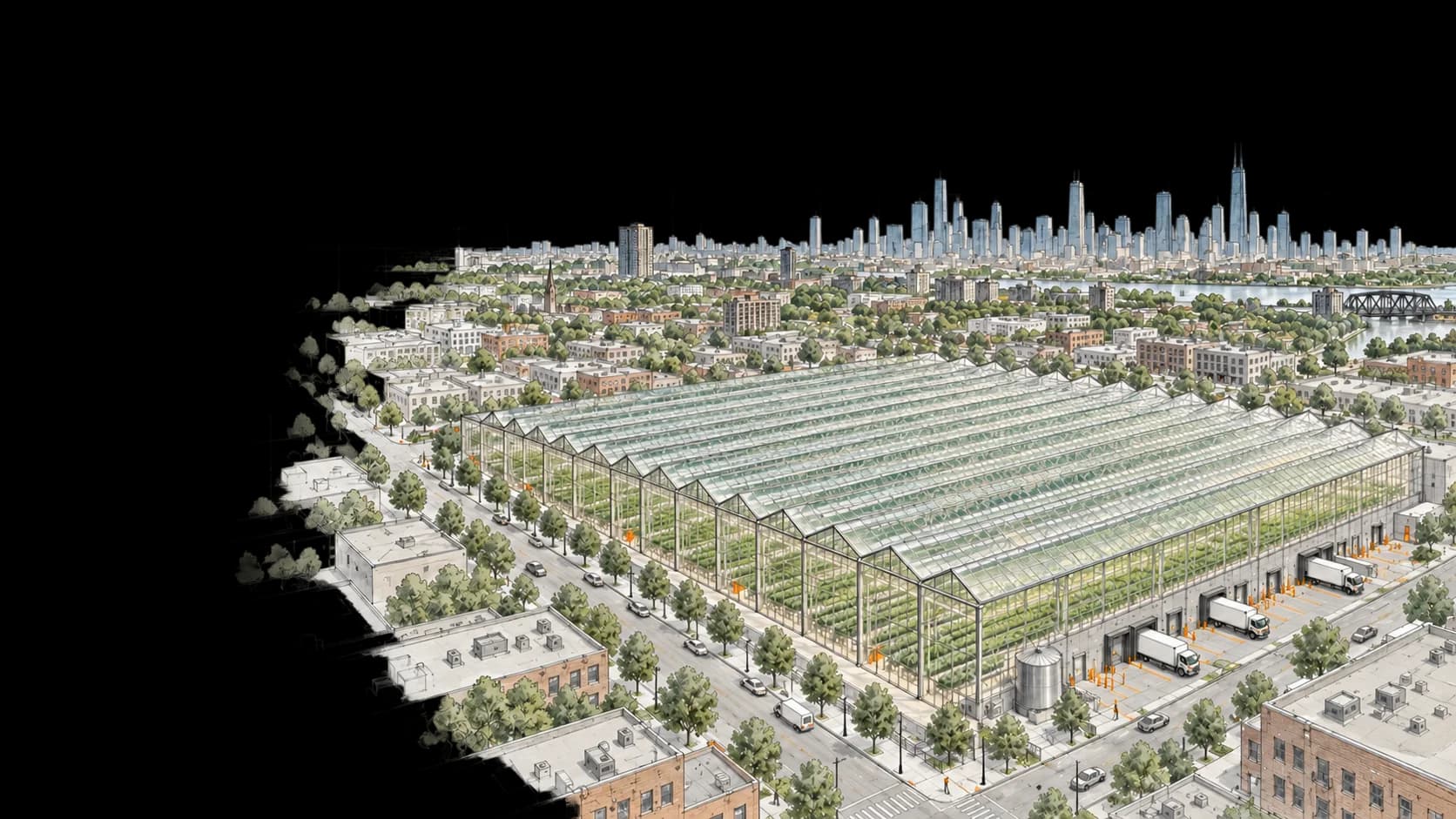
The people who grow our food are aging. Land and labor costs keep climbing.
The next generation needs a new model.
Housing, solar farms and data centers are competing for the same land that grows our food.
48 adjoining U.S. states · 2001–2016
2014–2024 · Before inflation
2022 Census of Agriculture
Produce moves from farms through packing facilities, refrigerated trucks and warehouses before reaching the store. Fuel, cooling and handling are built into the price.
Picking green tomatoes buys time for shipping at the expense of flavor. Tests on refrigerated salad leaves show vitamin C breaking down during storage. Every day in transit leaves less time to sell and eat the harvest.
USDA · 2022 farm producers . In 2022, 38% of U.S. farm decision-makers were 65 or older. Just 9% were under 35.
USDA · 2014 land values and 2024 land values . Average cropland value across the contiguous U.S. rose from $4,090 to $5,570 per acre. That’s a 36% increase before inflation in ten years.
USDA · 2014 farm labor and 2024 farm labor . U.S. annual average gross wages for field and livestock workers rose from $11.29 to $18.12 per hour. A 60% increase before inflation from 2014 to 2024.
American Farmland Trust · Farms Under Threat . Across the contiguous U.S., 11 million acres of farmland and ranchland shifted to urban or residential uses from 2001 to 2016. The study tracks land conversion and fragmentation, including low-density residential development.
USDA ERS · Solar projects on agricultural land, 2024 . Among 3,177 rural solar projects installed from 2012 to 2020, 43% were on cropland and 28% on pasture or rangeland.
Virginia JLARC · Data Centers in Virginia, 2024 . Chapter 5 examines data-center development on agricultural and undeveloped land, including farmland conversion to industrial use.
USDA ERS · Produce transportation costs and FAO · Packing, storage and transport . Moving produce requires packing, temperature control and transport. Fuel, cooling and the type of transport drive shipping costs and the price of fresh food.
Dai, Gómez and Kaiser · U.S. broccoli supply chains, 2026 . Table 3 models $135 million in annual transport costs within $637 million in combined growing and shipping costs: 21.2%. The model uses 2022 system inputs.
ReFED / WWF · U.S. Food Waste Pact Data Report 2025 . Reporting retailers recorded 4.81% of produce inventory unsold in 2024, shown here as 4.8%. The category includes donations and other unsold-food destinations.
UC Davis · Early tomato harvest, storage and flavor . The 2024 research examines how picking tomatoes before ripening and storing them at different temperatures change flavor and fruit quality.
Dewhirst and colleagues · Vitamin C in stored salad leaves, 2017 . Researchers tested 11 salad-leaf types after ten days in dark, refrigerated storage at 39°F (4°C). Measured ascorbate, a form of vitamin C, fell by 59% on average.
Machine intelligence and robots will drive down the cost of growing food. Local farms will win on price, deliver fresher food, and keep more of each sale.
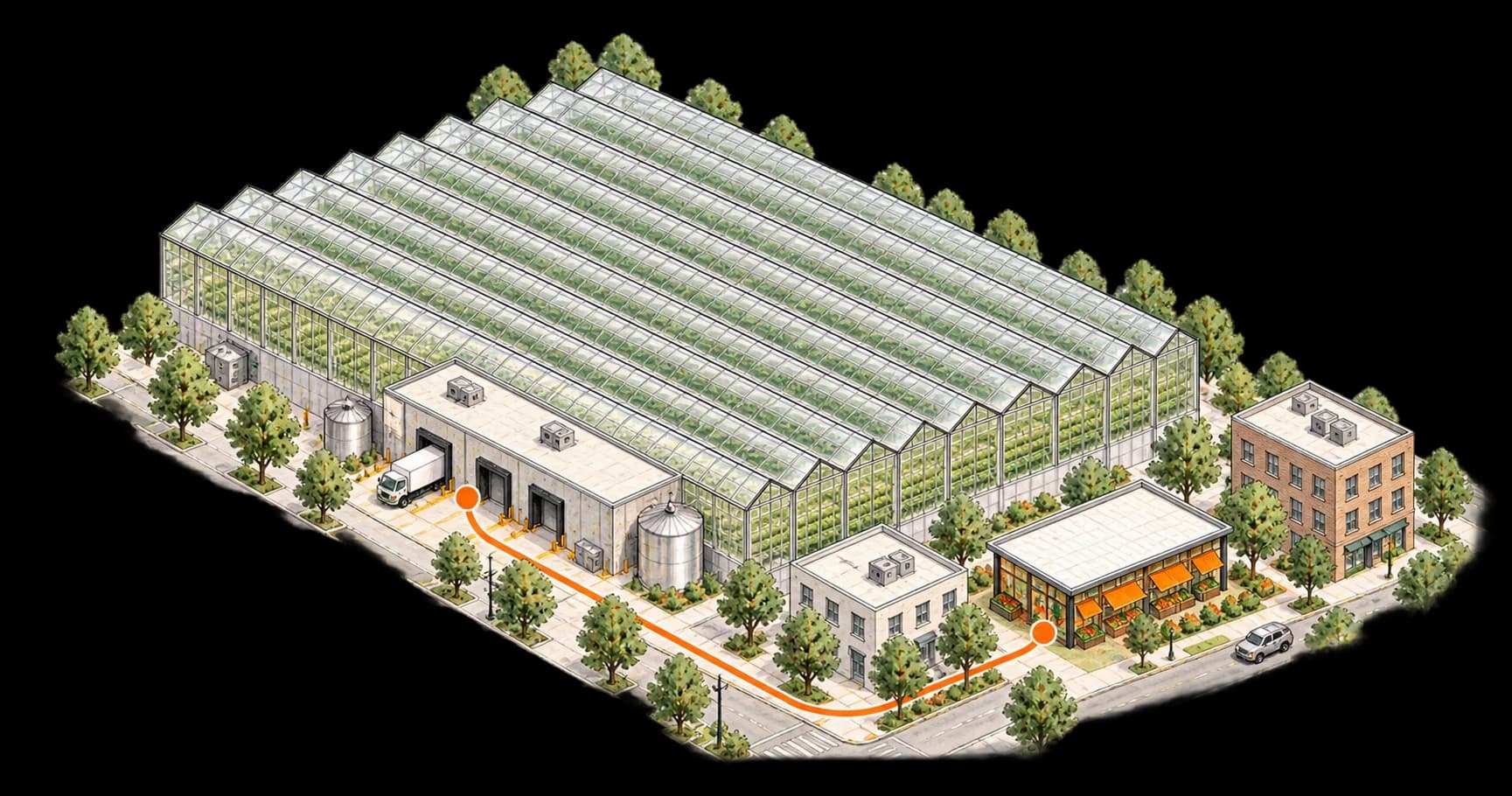
Greenhouses let growers control temperature, water and plant nutrients. Machine intelligence will optimize them together, around the clock, to grow more with less.
Robots will handle repetitive work and heavy lifting—from trimming leaves to moving pallets. Teams will do more, with less strain and lower costs per harvest.
Nearby farms will pick produce when customers order it. Driverless delivery will take it straight to buyers, keeping more of each sale with the grower.
 Berry OS runs the farm.
Berry OS connects cameras, sensors and robots across the farm. It monitors plants, decides what needs attention and coordinates the work.
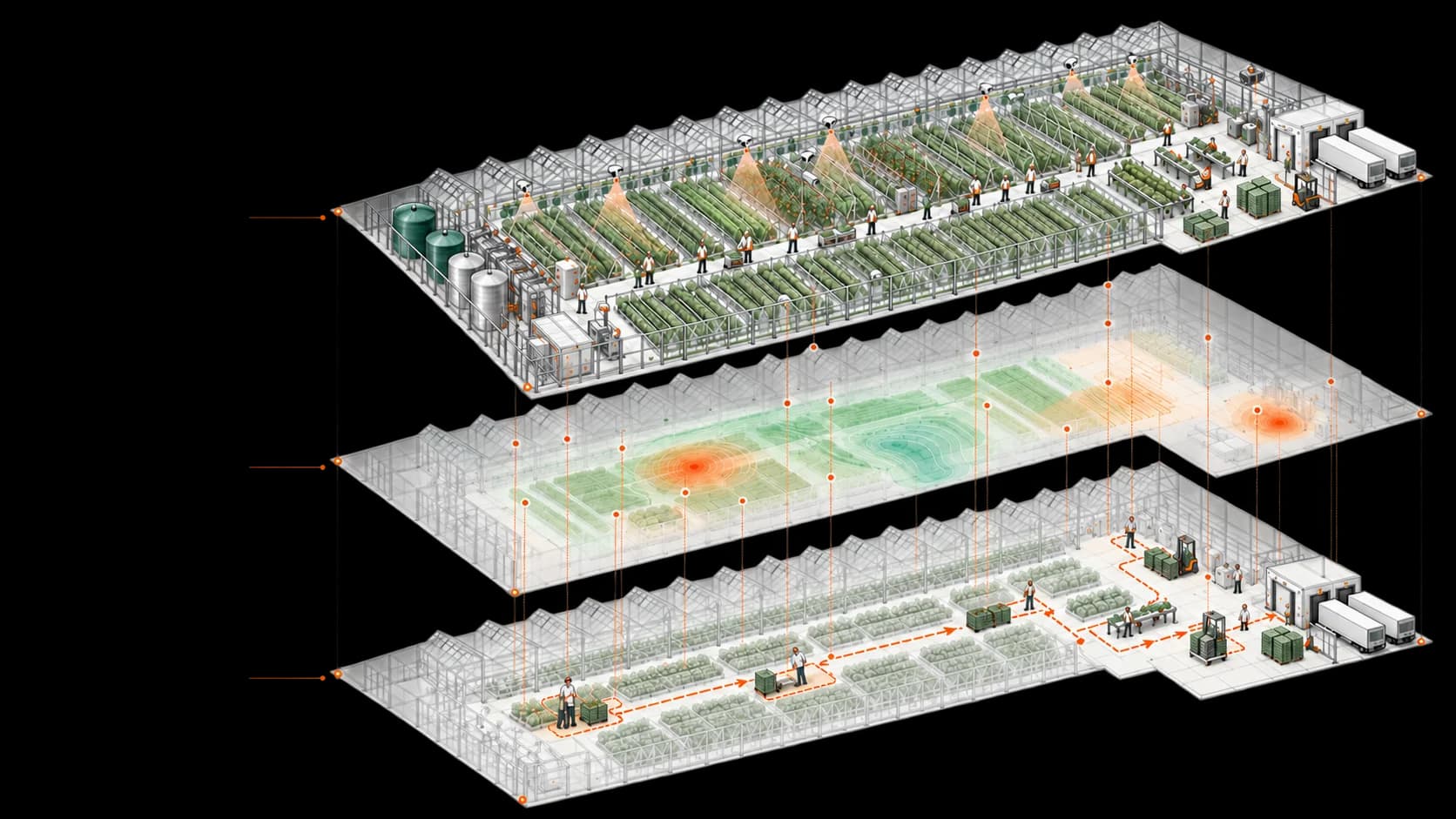
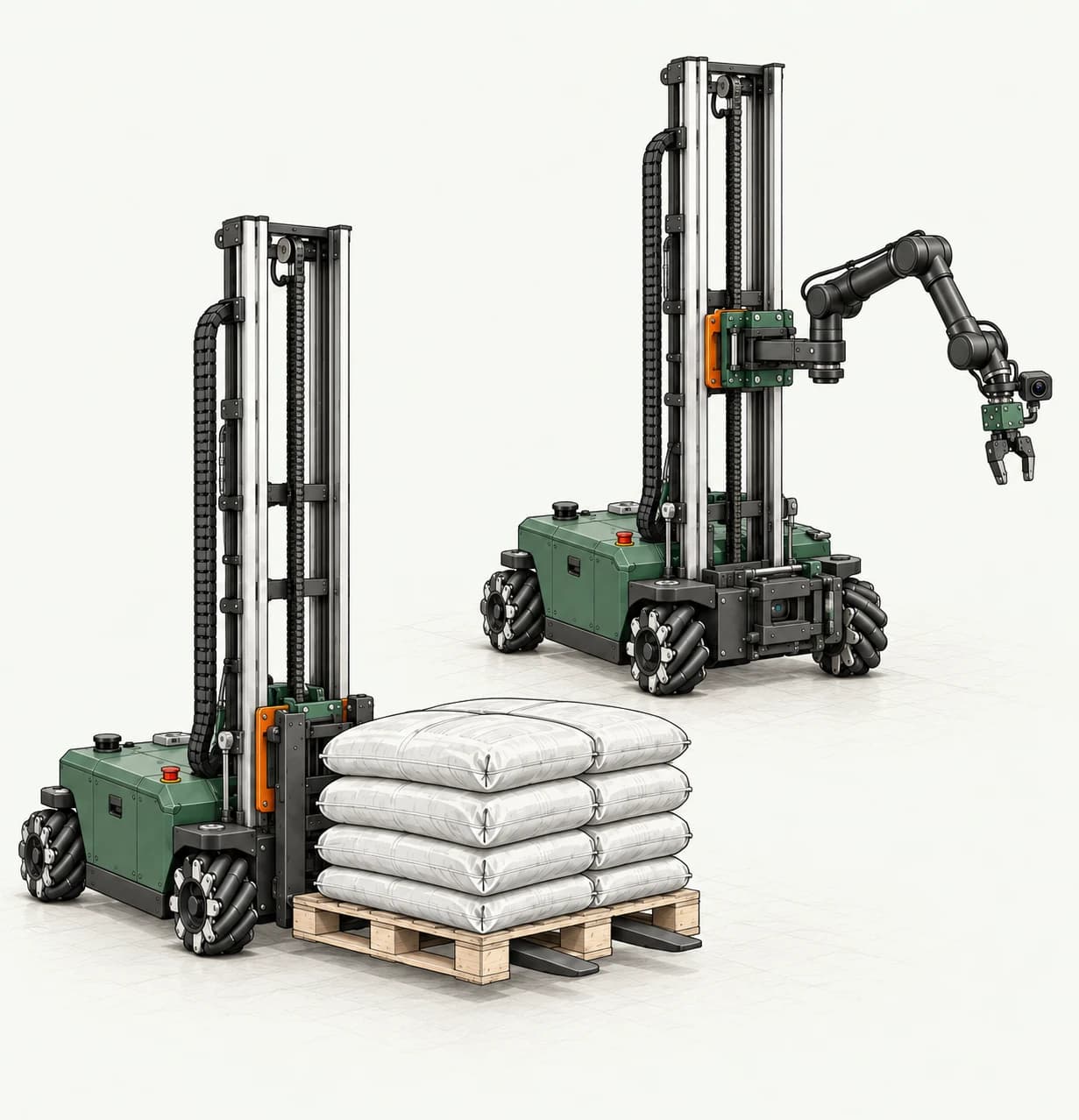
Berry OS pairs agentic software with proprietary multipurpose robots. Light-, medium- and heavy-duty rover bases use rapid tool changes to switch between plant care, moving materials and other farm work.
We’ll put Berry OS to work on growers’ farms. Every deployment will sharpen the system and build the operating knowledge behind our own network of sunlit greenhouses.
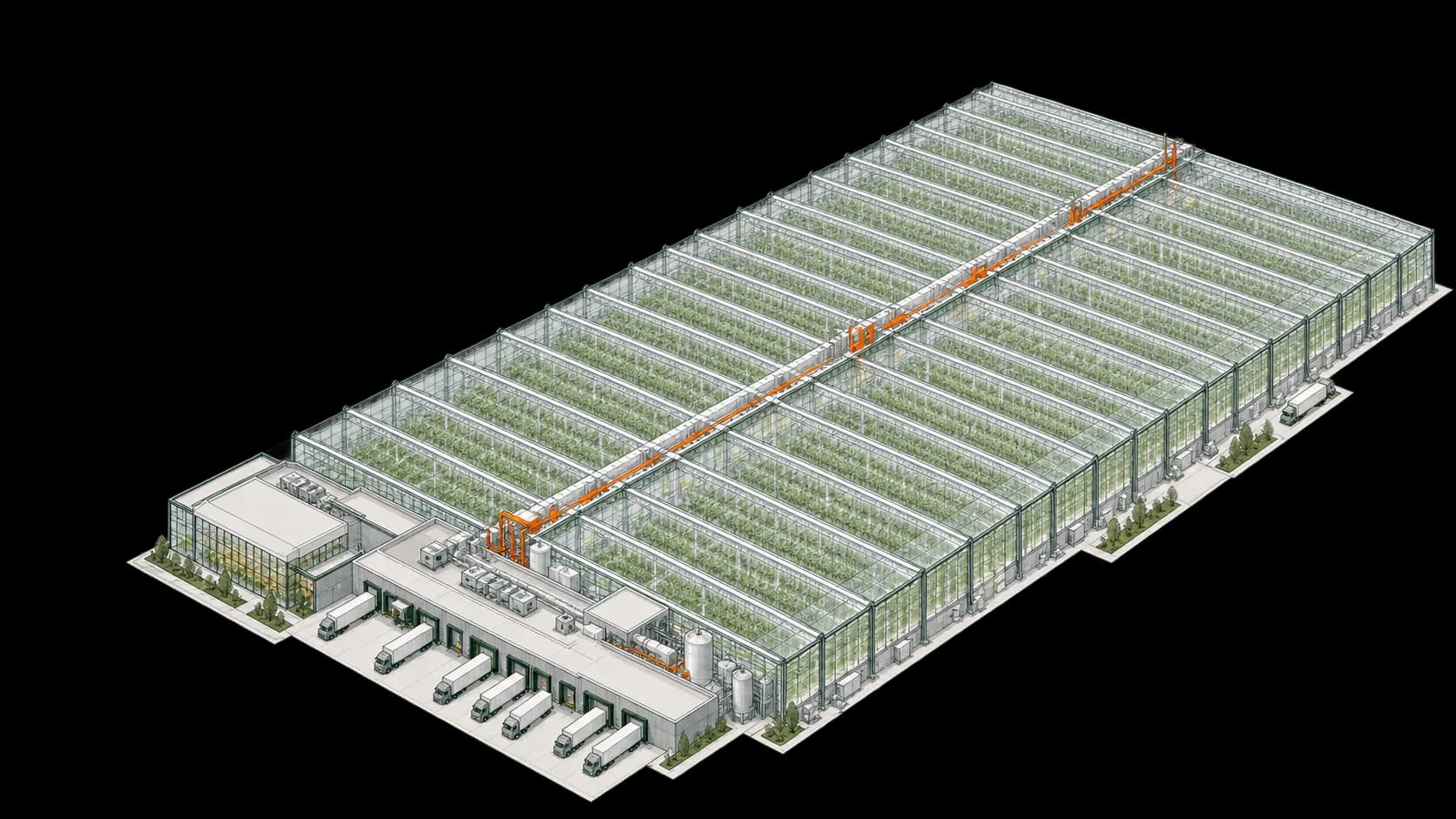
Growers will pay recurring fees for Berry OS and robot services that monitor crops, coordinate work and automate routine jobs.
Measure harvests, labor and resource use. Use that operating data to improve Berry OS and design more productive farms.
City Farmers will develop and operate sunlit greenhouses near customers, powered by Berry OS. We’ll finance construction separately from the software business.
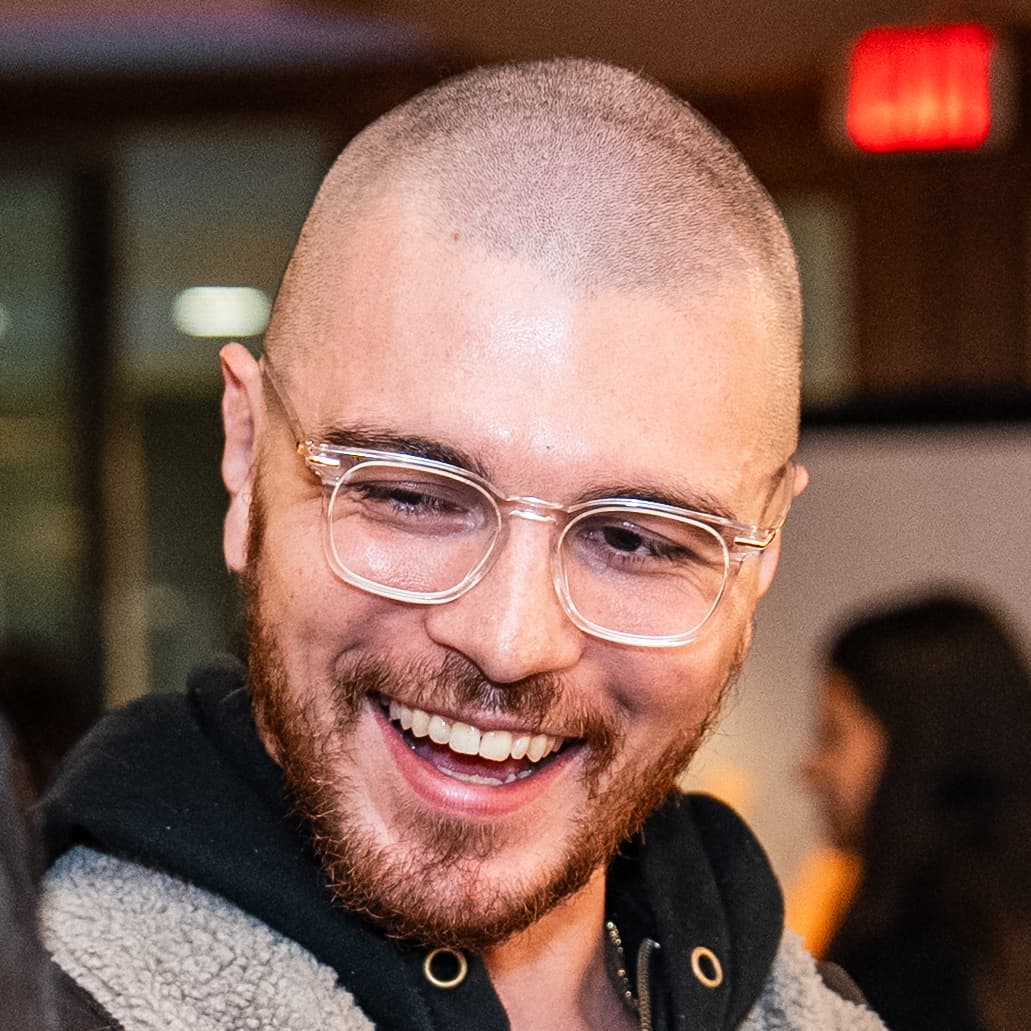
Co-Founder & CEO
Leads City Farmers’ strategy, fundraising and hardware development. Brings experience in urban farming, cross-disciplinary engineering and fabrication, and utility-scale solar farm project management.

Co-Founder & CTO
Leads Berry OS and the software that lets robots see and act on the farm. Founding engineer at Mentra, with experience building operations tools at Google and Salesforce. Has built robots since high school.

An embedded team for brand, launch and growth—from our first deployments to our own farms.
Problem brings positioning, identity, digital experiences and launch strategy together. We’ll make Berry OS the name growers ask for—and build a consumer brand people choose when our produce reaches the shelf.
We’ll open up our work through workshops, livestreams and creator collaborations. Problem shapes the programming, expands distribution and builds the audience around our robots, our growers and the future of food.
Together, we’ll build customer and retail relationships, structure brand collaborations and develop sponsorships for our robots, public programming and farm deployments. Problem connects the creative work to how we reach buyers and earn revenue.
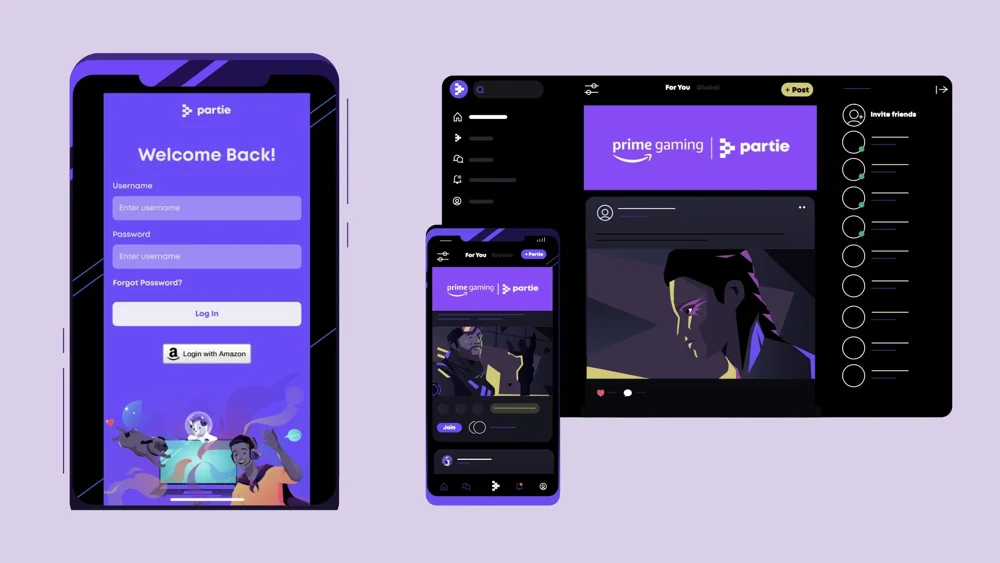
Product development, creator campaigns and an Amazon Prime Gaming partnership.
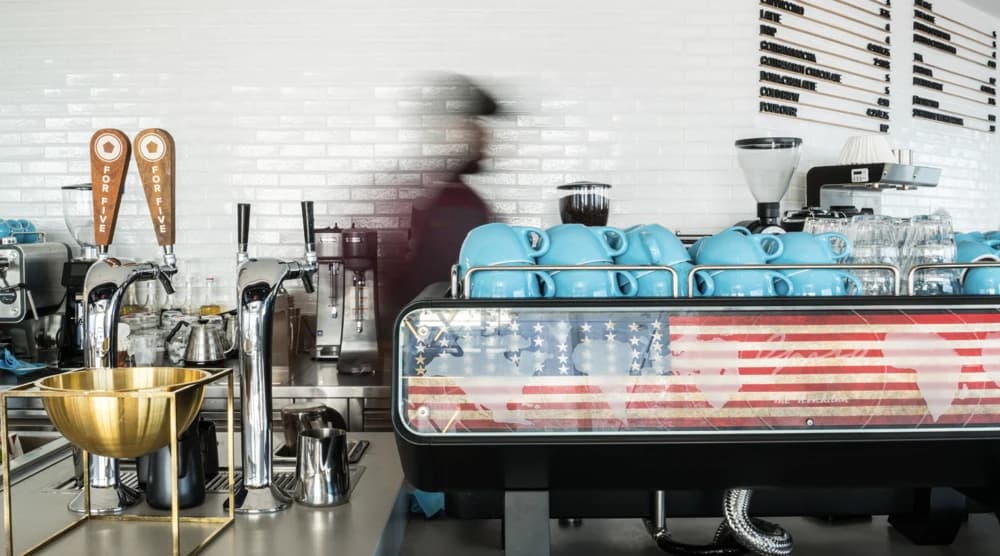
Brand identity, products, packaging and retail experiences for the coffee company’s expansion.
A city livestream and community launched with Twitch and Discord.